
Terrible Black Sludge After Vast Wildfires
Advertisement
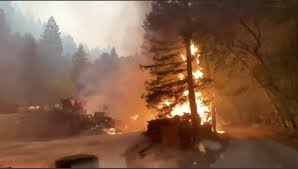
5th Jun, the debris fueling the Bighorn Fire was thought to have been ignited by lightning; the fire has engulfed over 48,377 hectares of national park in a region that covers diverse ecosystems from saguaro cactus stands to pine and fir forests. While it's been brought under control, the fire is still burning the foothills of the Catalina mountains.
The vast wildfires make future rains dangerous, too.

Pima County officials wrote on Twitter, “Wildfires like the Bighorn Fire leave the ground charred, barren, and unable to absorb water, Even a light rain can produce devastating flash floods and mudflows, often without early warning."
Fire changes the structure of the soil by mineralizing organic matter and releasing nutrients, metals, and toxins that usually aren't free to be swept away by water. The new soil structure then repels water.
USGS's California Water Science Center explains, "It takes much less rainfall to trigger debris flows from burned basins than from unburned areas, In Southern California, as little as 7 millimeters of rainfall in 30 minutes has triggered debris flows."
With the loss of vegetation holding the soil in place, the ash and loose earth end up smothering waterways. This reduces dissolved oxygen levels in water, while increased nutrients allow cyanobacteria to grow and algae to bloom, which take up even more of the oxygen.
Advertisement
The lack of oxygen suffocates fish, crabs and other waterway wildlife, leading to mass deaths like those.
Even if the fish and other wildlife somehow survive all that, they may then starve to death, unable to see their food as the clouded water reduces visibility, and starves aquatic plants and algae of the light they need to photosynthesize.
Sediment slugs can also ooze their way into dams and threaten our drinking water.
When large solid debris also joins the fast-moving sludge, it contributes to the erosion of anything in the way of the flow, including destabilizing roads and paths, and posing risk to water treatment infrastructure.
A USGS in a report explained, "Fast-moving, highly destructive debris flows triggered by intense rainfall are one of the most dangerous post-fire hazards. Such debris flows are particularly dangerous because they tend to occur without early warning. Debris flows can strip vegetation, block drainages, damage structures, and endanger human life.”
Advertisement
 1
1 1
1- Previous article
- Does Stingless Bee Honey Have Special Health Benefits?
- Next article
- Antique Vampire-Slaying kit up for Auction
Advertisement
OTHER NEWS

The more generous the society is, the longer its members live
BY Michelle

What People in Different Areas Pay in Pursuit of Beauty?
BY Debra

Playing video games as a child is proven to bring lasting improvement in cognitive ability
BY Jacqueline

That skr goes viral on Chinese social media
BY Jean

British scientists recommend people to add extra vitamin D to milk and bread
BY Betty

How to Get Free Wi-Fi Networks Correctly and Safely?
BY Beverly
RECENT NEWS
-

Santander World Elite™ Mastercard®: The Perfect Travel Companion
-

The Buy Now Pay Later Space Is Getting More Competitive in Europe, As New Startups Sprout Up
-

Argentina Mourned Over Maradona’s Death for Three Days, Why a Football Player Could Own Such an Honor? (II)
-

Argentina Mourned Over Maradona’s Death for Three Days, Why a Football Player Could Own Such an Honor? (I)
-

007’s File Was Actually Hidden in Poland
-

A Small Town Named Fucking in Austria